How Industrial Vending Machines Reduce Inventory Costs
Managing indirect materials like MRO supplies, cutting tools, and PPE has long been a challenge for manufacturing facilities. Without proper oversight, these items can account for a significant portion of unnecessary expenditures. Industrial vending machines provide an automated, data-driven solution to these challenges, helping facilities drastically reduce their inventory costs while improving operational efficiency.
1. Eliminate Unnecessary Inventory
One of the primary ways industrial vending machines reduce costs is by eliminating obsolete, redundant, or overstocked items. By providing real-time tracking, these machines give managers a clear picture of exactly what is being used and when. This visibility allows facilities to maintain optimal inventory levels, reducing the capital tied up in unused stock and freeing up valuable floor space.
2. Reduce Tool Loss and Unauthorized Usage
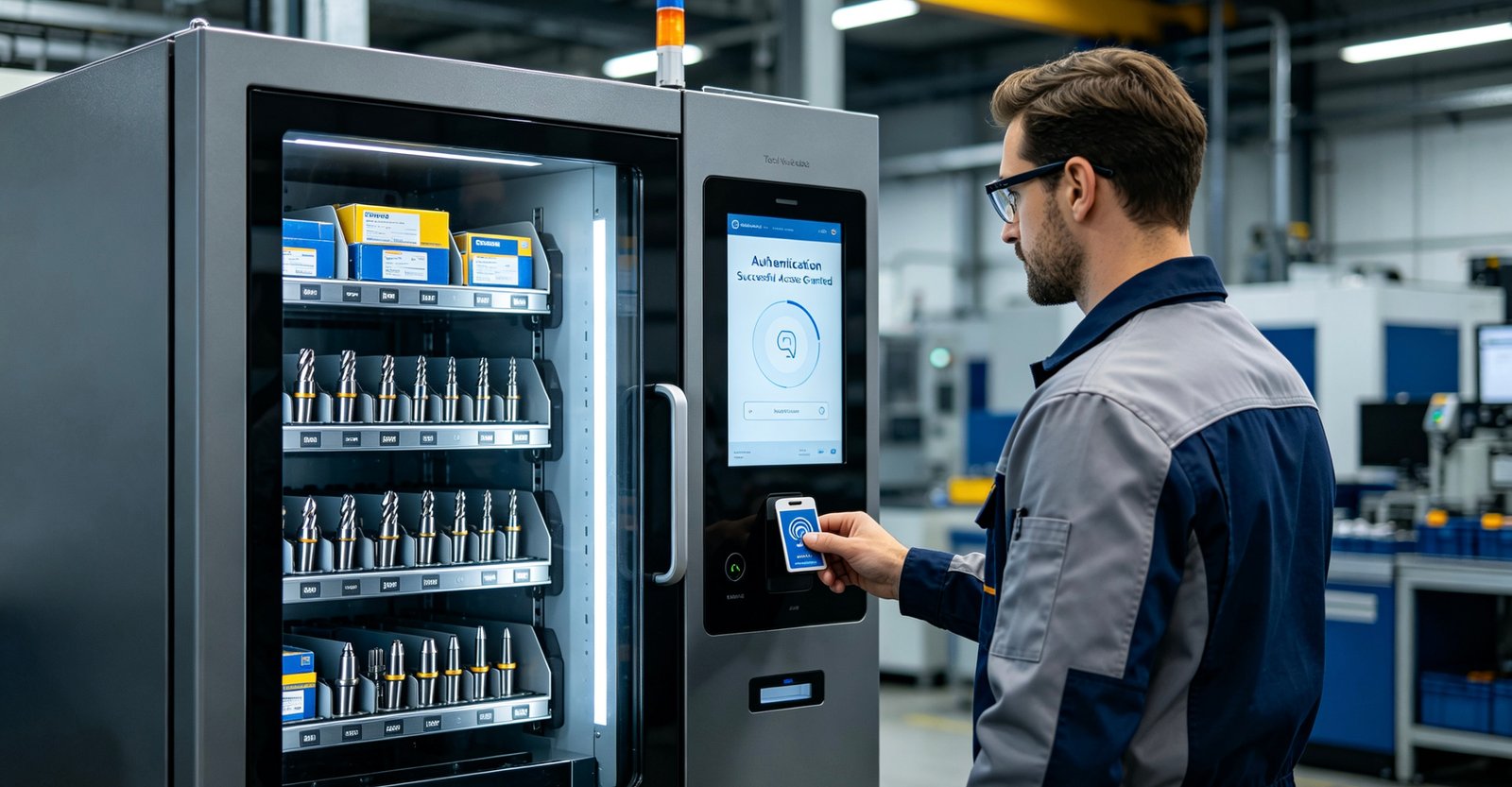
In a traditional open-bin environment, supplies are easily misplaced, hoarded, or taken for unauthorized use. Industrial vending systems secure these items and require user authentication, such as an RFID badge or PIN, to access them. By holding employees accountable for the items they dispense, facilities routinely see a 20% to 30% reduction in overall consumable spend.
3. Improve Purchasing Efficiency
Manual inventory counting and purchasing are labor-intensive and prone to human error. Vending machines can automate the replenishment process by sending alerts or generating purchase orders when stock levels fall below a predetermined threshold. This reduces administrative overhead, prevents costly stock-outs, and avoids expensive expedited shipping fees.
4. Increase Productivity
When workers have to walk across the plant to a centralized tool crib and wait in line for an attendant, valuable production time is lost. Industrial vending machines can be placed strategically at the point of use, providing 24/7 self-service access. This minimizes downtime and keeps workers focused on value-added tasks.
5. Data-Driven Decision Making
The software driving industrial vending machines captures extensive usage data. Managers can generate detailed reports on which departments, shifts, or specific users are consuming the most items. This data enables facilities to negotiate better pricing with suppliers, identify training needs, and continuously refine their inventory strategy based on actual consumption patterns.
Conclusion
Implementing an industrial vending machine is an investment that typically pays for itself quickly through direct material cost savings and indirect labor efficiencies. By providing strict access control, automating replenishment, and offering clear visibility into consumption, vending machines transform unstructured inventory spending into a predictable, optimized, and significantly reduced cost center.